
Exercise During Menopause: Why Strength Training Should Be Part of Your Routine
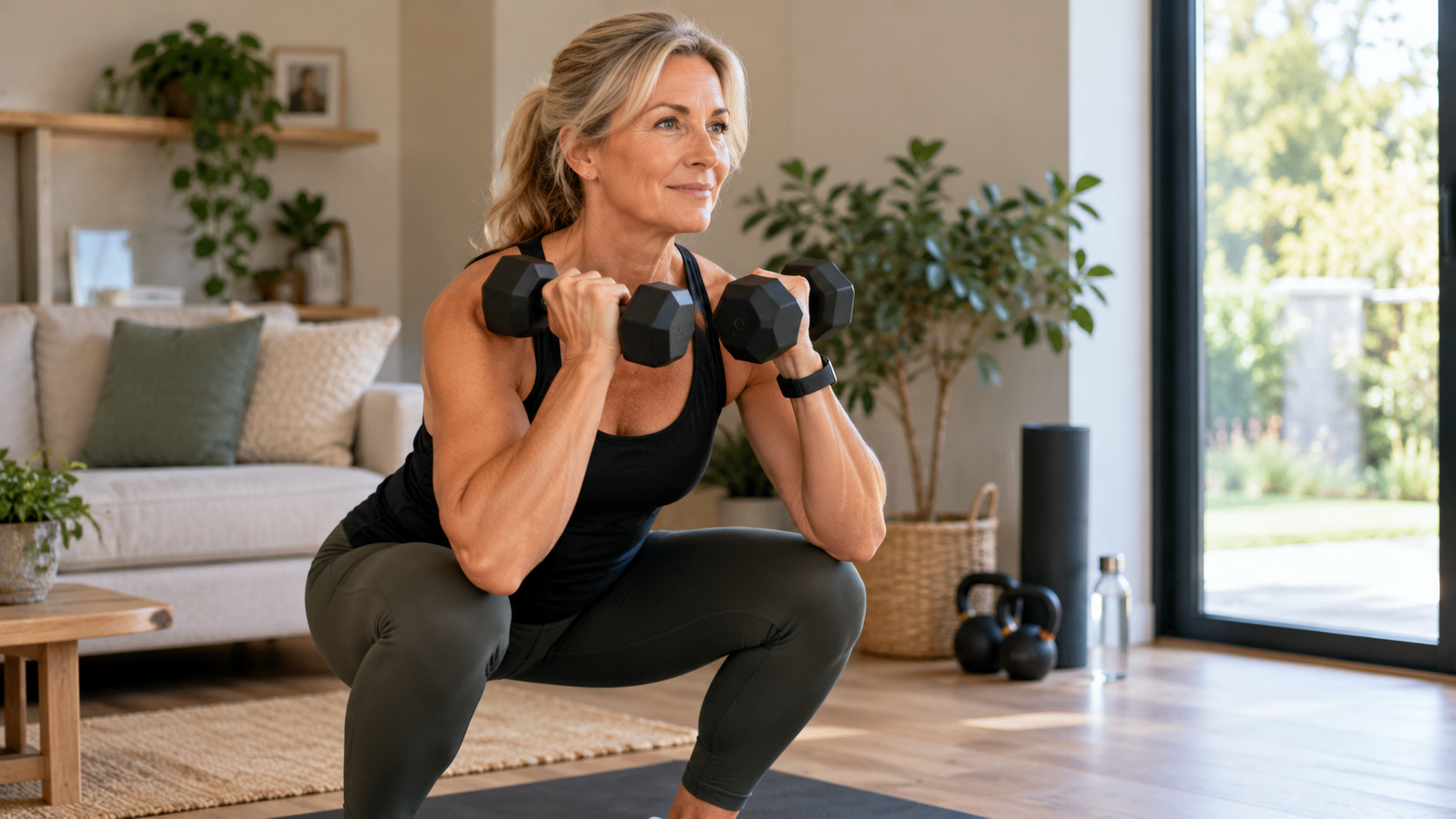
If you're going through perimenopause or menopause and finding that your body doesn't respond to exercise quite like it used to, you're certainly not alone.
Perhaps you're noticing weight creeping on around your middle, finding it harder to maintain muscle tone, or feeling more tired than you used to. You might even be doing the same workouts you've always done but not seeing the results you expect.
It's frustrating, particularly when you're putting in the effort.
The good news is that exercise can make a real difference during menopause. But rather than simply doing more exercise, it's worth thinking about whether you're doing the right combination for your changing needs.
And one type of exercise deserves particular attention: strength training.
How Does Menopause Affect Your Body?
Menopause is a natural stage of life, usually occurring between the ages of 45 and 55, although it can happen earlier.
During perimenopause, levels of hormones such as oestrogen fluctuate before eventually declining. These changes can affect several aspects of your health and wellbeing.
You might notice:
- Changes in where your body stores fat, particularly around your abdomen.
- A gradual reduction in muscle mass and strength.
- Changes in bone density.
- Interrupted sleep, fatigue or reduced energy.
- Joint discomfort or stiffness.
- Changes in mood, motivation and concentration.
Not everyone experiences these changes in the same way, and some are also influenced by ageing, lifestyle and other health factors.
However, they can make maintaining your fitness and body composition feel more challenging.
That's where a well-structured exercise routine can help.
Why Strength Training Is So Important During Menopause
When we talk about exercise during menopause, walking, running, swimming and other cardiovascular activities often get most of the attention.
They're all valuable, but strength training offers some particularly important benefits.
In fact, the National Institute for Health and Care Excellence (NICE) specifically recommends that women going through menopause understand the importance of maintaining muscle mass and strength through physical activity.
1. Helps Maintain Muscle Mass
As we get older, we naturally tend to lose muscle unless we take steps to maintain it.
Hormonal changes during menopause can contribute to this process.
The problem is that muscle isn't just about looking toned. It plays an important role in everyday movement, physical independence and metabolic health.
Strength training challenges your muscles to work against resistance, encouraging them to become stronger and helping you maintain or build muscle.
And you don't necessarily need a gym full of equipment.
Exercises such as squats, lunges, press-ups and resistance-band movements can all be effective when performed at an appropriate level and progressed over time.
2. Supports Bone Health
Oestrogen plays an important role in maintaining bone density.
As levels decline during menopause, bone loss can accelerate, increasing the risk of osteoporosis and fractures later in life.
Resistance training, alongside suitable weight-bearing activities such as walking, dancing and stair climbing, can help support bone health.
This is one reason why building strength during midlife is about much more than appearance.
You're investing in your ability to remain active and independent as you get older.
3. Helps Manage Changes in Body Composition
One of the most common frustrations during menopause is noticing changes in body shape, particularly increased fat around the waist.
It's important to understand that menopause doesn't automatically cause weight gain, but hormonal changes can influence where fat is stored. Age-related muscle loss, changes in activity, sleep and lifestyle can also play a part.
Strength training helps maintain muscle, while regular physical activity and appropriate nutrition support overall body composition.
However, there's no single exercise that specifically targets menopausal belly fat.
Hundreds of sit-ups won't selectively remove fat from your waist, and neither will any special hormone-balancing workout.
A combination of resistance training, cardiovascular exercise, balanced nutrition and consistency is a far more effective approach.
4. Makes Everyday Life Easier
Being strong isn't just about how much weight you can lift.
It's about being able to carry your shopping, climb stairs, get up from the floor, enjoy hobbies and stay active without everyday tasks feeling increasingly difficult.
Strength training can improve muscular strength, balance and physical function, helping you feel more capable in daily life.
And these benefits become increasingly valuable as we get older.
## What's the Best Exercise During Menopause?
There's plenty of conflicting advice online about what women should and shouldn't do during menopause.
Some suggest avoiding intense exercise altogether. Others insist you need to lift heavy weights or completely change your training routine.
The reality is much simpler.
The best approach is usually a combination of strength training, cardiovascular exercise and activities you enjoy, adapted to your individual needs.
Strength Training
Aim to include muscle-strengthening exercise at least twice a week, working all the major muscle groups.
This might involve:
- Squats or sit-to-stands.
- Lunges or step-ups.
- Press-ups or chest presses.
- Rows using dumbbells or resistance bands.
- Hip bridges or hip hinges.
- Core strengthening exercises.
The key is progression.
As your strength improves, your exercises need to become appropriately more challenging, whether that's through additional resistance, repetitions or more demanding variations.
You don't need to lift the heaviest weights in the gym, but the exercises should challenge you.
Walking and Cardiovascular Exercise
Walking is an excellent activity during menopause, particularly if you're returning to exercise or struggling with energy levels.
It supports cardiovascular health, helps manage weight and can have a positive effect on mood and wellbeing.
Cycling, swimming, jogging, dancing and other aerobic activities are also useful.
And contrary to some claims on social media, there's no general reason women should stop doing cardio simply because they're going through menopause.
The important thing is choosing an appropriate intensity and allowing enough recovery. Mobility and Flexibility
Joint stiffness and discomfort can become more noticeable during menopause.
Including some mobility and flexibility work may help maintain comfortable movement and make everyday activities easier.
Yoga, Pilates and simple stretching routines can all have a place in a balanced exercise programme.
They don't need to replace strength training, but they can complement it.
How Much Exercise Should You Do During Menopause?
You don't need to exercise every day to see improvements.
For many women, a realistic weekly routine might look something like this:
| Day | Activity |
| Monday | Full-body strength workout |
| Tuesday | Brisk walk or other cardio |
| Wednesday | Rest or gentle mobility |
| Thursday | Full-body strength workout |
| Friday | Brisk walk, cycling or swimming |
| Saturday | Longer walk or an activity you enjoy |
| Sunday | Rest or gentle movement |
This is simply an example, not a rigid plan.
UK physical activity guidance recommends that adults aim for at least 150 minutes of moderate-intensity activity each week, alongside muscle-strengthening activities on at least two days.
You can build towards these targets gradually, and your starting point should reflect your current fitness, health and experience.
If you're new to exercise, even two short strength sessions and regular walks can be a great place to begin.
What If You're Feeling Too Tired to Exercise?
Fatigue can be one of the biggest barriers to exercising during perimenopause and menopause.
Poor sleep, night sweats and changes in mood can all make finding the motivation to work out difficult.
On days when you're feeling particularly tired, it's perfectly reasonable to adjust your training.
You might reduce the intensity, shorten your session or choose a walk instead.
But it's also worth remembering that you don't always need to feel full of energy before starting.
Sometimes a short, manageable workout can leave you feeling better than you did beforehand.
The important thing is finding the balance between challenging yourself and allowing adequate recovery.
Persistent or severe fatigue is also worth discussing with your GP rather than automatically attributing it to menopause.
Can You Still Lose Weight and Build Muscle During Menopause?
Absolutely.
Menopause doesn't mean your body suddenly stops responding to exercise or that you're destined to gain weight.
You can still improve your strength, build muscle, increase your fitness and change your body composition.
However, the approach that worked in your twenties or thirties might need adjusting.
Rather than relying on endless cardio sessions or drastically cutting calories, focus on:
- Regular, progressive strength training.
- Adequate protein and balanced nutrition.
- Cardiovascular exercise and daily movement.
- Good sleep habits where possible.
- Realistic goals and consistent routines.
And don't judge all your progress by the scales.
Getting stronger, feeling fitter, improving your stamina and finding everyday activities easier are all meaningful signs that your training is working.
Frequently Asked Questions About Exercise During Menopause
Is strength training better than cardio during menopause?
Both offer important benefits. Strength training is particularly valuable for maintaining muscle and supporting bone health, while cardiovascular exercise supports heart health, endurance and overall wellbeing. Ideally, your routine should include both.
Can exercise help with menopause belly fat?
Regular exercise can help manage overall body fat and maintain muscle, but you cannot choose where your body loses fat. Strength training, cardio and balanced nutrition work together to support healthy body composition.
Is it too late to start strength training at 50?
Not at all. People can improve their strength and fitness well into later life. The key is starting at an appropriate level and gradually progressing as your confidence and ability improve.
Do I need to lift heavy weights during menopause?
You need enough resistance to challenge your muscles, but that doesn't mean starting with heavy weights. Bodyweight exercises, resistance bands and dumbbells can all be effective. As you get stronger, progressively increasing the challenge helps you continue improving.
Can exercise replace HRT?
Exercise can support your physical and mental wellbeing during menopause, but it isn't a replacement for medical treatment when that's needed. If symptoms are affecting your quality of life, speak to your GP about the available treatment options.
Menopause Doesn't Mean Slowing Down
Menopause brings changes, but it doesn't mean you have to accept becoming weaker, less fit or less active.
With the right approach to exercise, you can continue building strength, improving your fitness and feeling confident in what your body can do.
You don't need extreme workouts, complicated routines or hours in the gym.
You need a programme that works for you, challenges you appropriately and fits into your life.
And it's never too late to start.
Get Stronger with Epic Fitness Online Coaching
At Epic Fitness, we believe exercise should help you feel stronger, healthier and more confident at every stage of life.
Our online coaching offers structured workouts, personalised guidance and ongoing support to help you work towards your fitness goals, wherever you are.
Whether you're new to strength training or looking to adapt your existing routine during menopause, we can help you find an approach that works for you.
Interested in online coaching? Get in touch with Epic Fitness to find out more.
---
This article provides general fitness information and isn't a substitute for individual medical advice. If you have osteoporosis, a history of fractures, significant symptoms or other health concerns, seek appropriate medical guidance before beginning or substantially changing your exercise routine.
Sources and Further Reading
The information in this article is supported by established UK health guidance and peer-reviewed research.
NICE (2024). Menopause: Identification and Management (NG23). View NICE guidance
NHS. Things You Can Do to Help Menopause and Perimenopause Symptoms. View NHS guidance
UK Chief Medical Officers (2026). Physical Activity Guidelines. View government guidance
González-Gálvez, N., Moreno-Torres, J.M. and Vaquero-Cristóbal, R. (2024). Resistance training effects on healthy postmenopausal women: a systematic review with meta-analysis. Climacteric, 27(3), 296–304. View research
Sá, K.M.M. et al. (2023). Resistance training for postmenopausal women: systematic review and meta-analysis. Menopause, 30(1), 108–116. View research